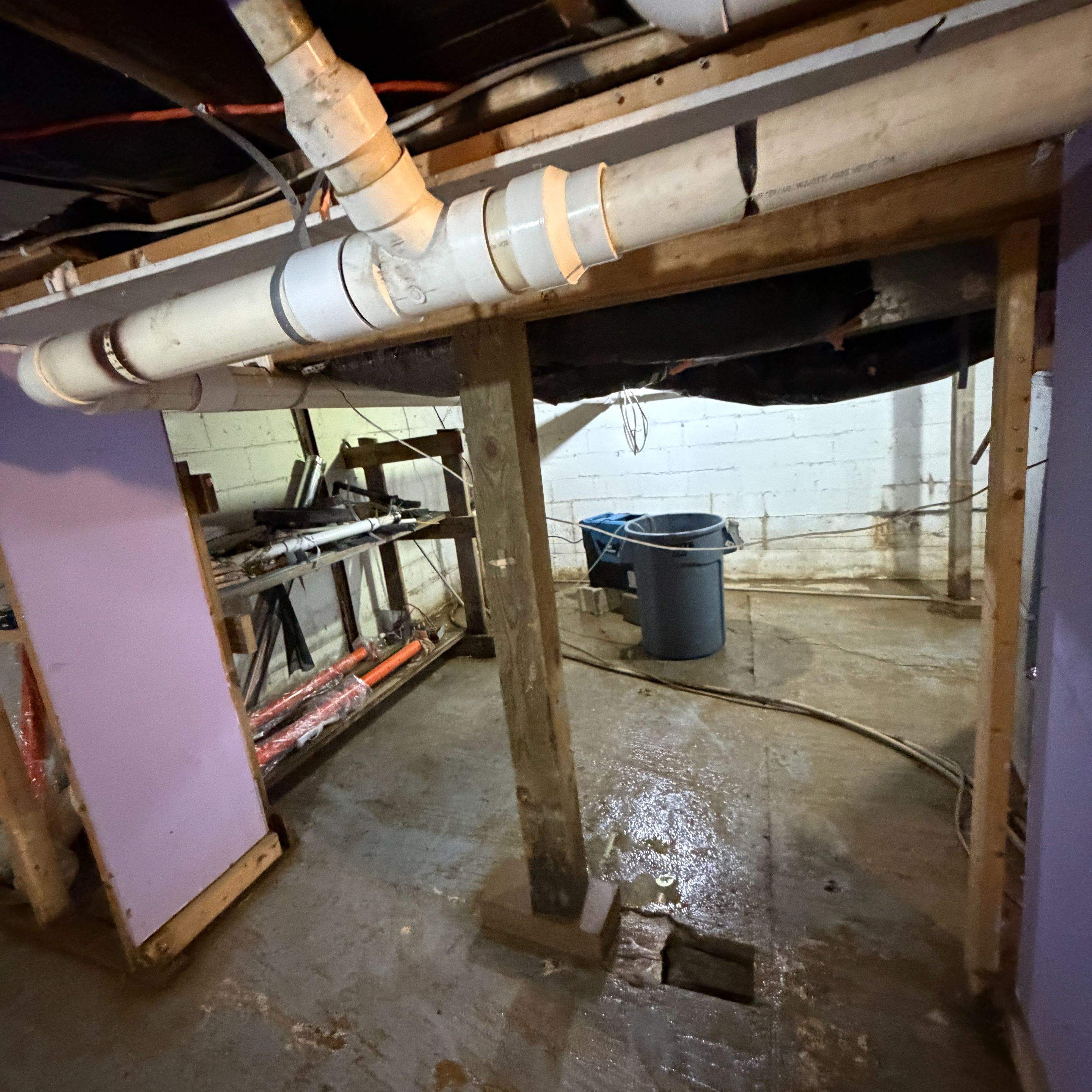
What Water Damage Restoration Actually Costs in Upland
Pricing depends on three things: the water category, the square footage affected, and how long the water sat before extraction. Below is a realistic range for Upland homes based on what insurance adjusters and restoration contractors typically see.
| Damage Scenario | Typical Cost Range | Average Timeline |
|---|---|---|
| Small clean water leak (under 150 sq ft) | $1,200 to $2,500 | 3 to 4 days |
| Burst pipe, single room | $2,500 to $5,000 | 4 to 6 days |
| Finished basement flood (clean water) | $4,000 to $9,000 | 5 to 8 days |
| Sewage backup (Category 3) | $7,000 to $15,000+ | 7 to 14 days |
| Multi-level storm flooding | $10,000 to $30,000+ | 10 to 21 days |
These ranges assume professional extraction, structural drying, antimicrobial treatment, and basic reconstruction. Specialty content cleaning, hardwood floor drying mats, or large-loss equipment can push costs higher.
What Drives the Price Up
- Water category (clean, gray, or black water under IICRC S500 standards)
- Materials affected (drywall and carpet dry cheaper than hardwood or plaster)
- Delay between the loss and extraction (every hour adds saturation depth)
- Mold growth, which can begin in 24 to 48 hours
- Asbestos or lead testing required in homes built before 1980
- Access difficulty, such as finished basements with built-ins or tight crawl spaces
- After-hours or holiday emergency dispatch fees, typically 10 to 15 percent
What Insurance Typically Covers
Most Upland homeowner policies cover sudden and accidental water damage, like a burst supply line or appliance failure. They generally exclude long-term seepage, groundwater flooding without a flood policy, and damage from deferred maintenance. We walk clients through this every week. For a deeper breakdown, our guide to filing a water damage insurance claim explains documentation, deductibles, and what adjusters look for.
Out-of-Pocket Costs to Plan For
Even with a covered claim, expect to pay your deductible (commonly $1,000 to $2,500 in Upland) before coverage applies. Some carriers depreciate carpet padding, baseboards, or older flooring, leaving a gap between the replacement cost and the actual cash value check. Upgrades during reconstruction, like swapping builder-grade carpet for luxury vinyl plank, also come out of pocket. Upland Water Restoration provides line-item estimates so you can see exactly where insurance ends and your choices begin.
What 24/7 Emergency Service Should Include
A real emergency response is more than a phone number that rings after hours. When you call Upland Water Restoration at 2 a.m., here is the sequence you should expect from any qualified restoration contractor in Upland.
The First Call
- A live person, not a voicemail or chatbot
- Triage questions about source, category, and active leaks
- Safety guidance before the crew arrives (electrical shutoff, slip risk)
- Confirmed ETA, typically 60 to 90 minutes in the Upland service area
On-Site Within 90 Minutes
- Source containment if the leak is still active
- Moisture mapping with thermal imaging and pin meters
- Photo and video documentation for your insurer
- Water extraction with truck-mounted or portable units
- Placement of air movers and dehumidifiers before the crew leaves
The First 72 Hours
Daily moisture readings, equipment adjustments, and antimicrobial application all happen during this window. This is also the period when the 24 to 48 hour mold window closes, which is why same-day response matters so much. If a contractor tells you they can come out in three days, that is not emergency service. That is scheduling.
Equipment That Should Be On the Truck
Ask what arrives on the initial response. A properly stocked emergency truck carries truck-mounted extractors capable of pulling several thousand gallons, low-grain refrigerant dehumidifiers, axial and centrifugal air movers, HEPA air scrubbers for Category 2 and 3 losses, and containment plastic with zipper doors. Crews should also bring negative air machines, drying mats for hardwood, and injection systems for wall cavities. Showing up with a shop vac and two box fans is not restoration. It is a delay that costs you covered drying time on your claim.
Common Upland Water Damage Scenarios
Central Indiana homes deal with predictable failure points. Knowing yours helps you describe the loss accurately to your insurer and to us.
- Frozen pipe bursts in January and February, often in exterior walls or unheated crawl spaces
- Sump pump failures during spring storms, especially in older Upland neighborhoods with high water tables
- Sewer line backups after heavy rain, which require Category 3 protocols
- Roof leaks from wind-driven rain or ice dams
- Appliance failures from dishwashers, washing machines, and water heaters past their service life
- Supply line failures behind toilets and under sinks, where braided hoses fail without warning
If your situation is a flooded basement, our basement flooding service page covers extraction, structural drying, and finished space restoration in detail.
Steps to Take Before the Crew Arrives
- Shut off the water main if the source is a supply line
- Cut power to affected rooms at the breaker if it is safe to reach
- Move photos, electronics, and rugs to a dry level
- Photograph everything before you touch it for your claim file
- Do not enter standing water near outlets or appliances
How to Vet a Upland Restoration Company at Midnight
You do not have time for a full vendor review when water is rising. Use this short checklist while you are on the phone.
- Are they IICRC certified? Ask for the firm number.
- Do they carry general liability and pollution coverage?
- Will they bill your insurance directly or require upfront payment?
- Can they provide a written scope before demolition starts?
- Do they have local references in Upland or surrounding areas?
- Will they coordinate directly with your adjuster on scope disputes?
Any honest contractor will answer these in under two minutes. If they dodge, hang up. Be wary of door-knockers who show up uninvited after a storm, demand a signed assignment of benefits before inspecting, or quote a flat price without measuring moisture. Those are red flags every Upland adjuster knows.